Where is Coiba?
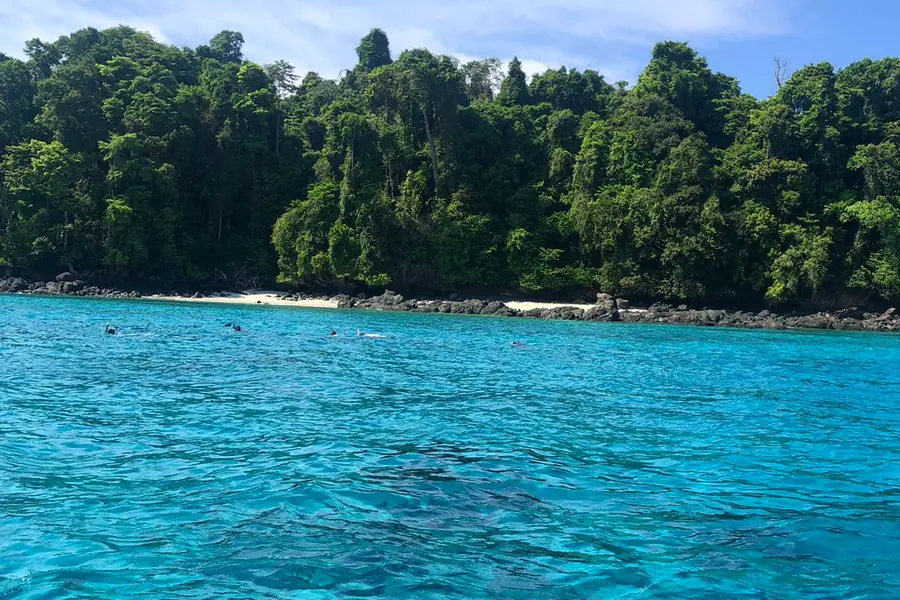
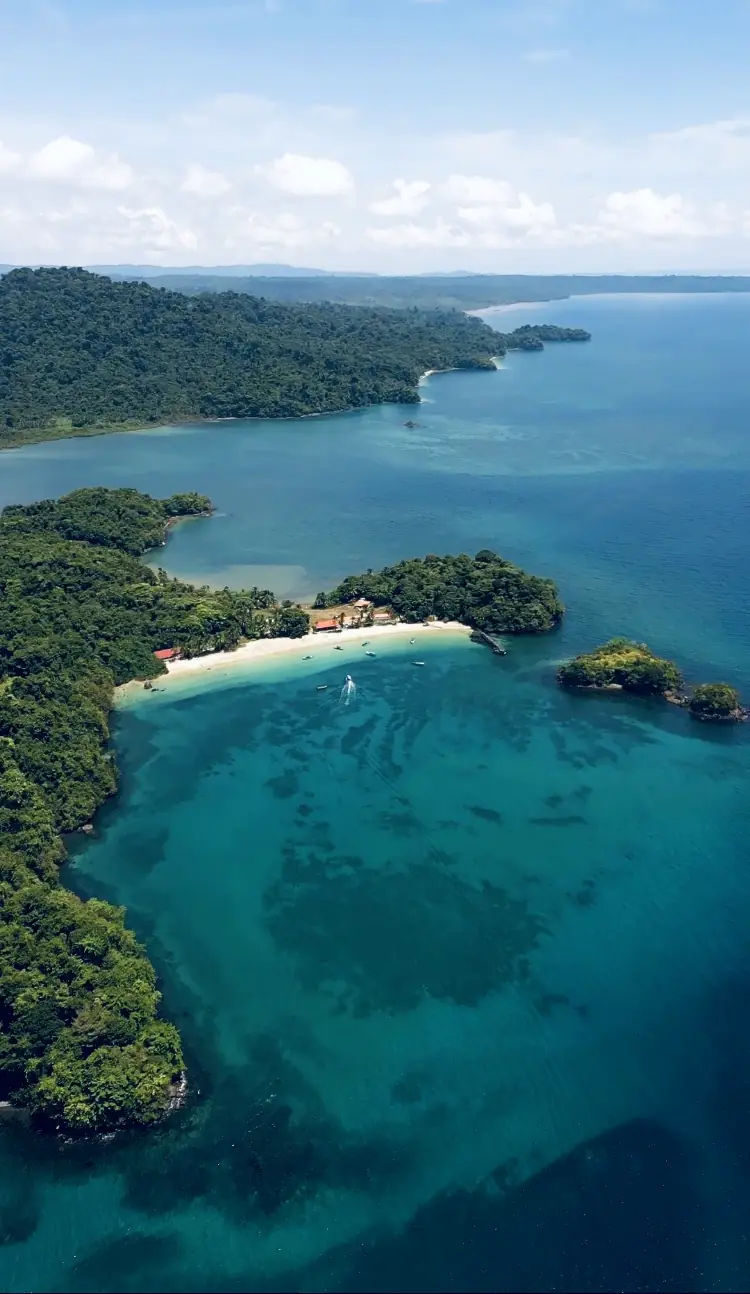
Coiba is the largest island in Central America, about 500 km² (190 sq mi) of rainforest in the Gulf of Chiriquí, off the Pacific coast of Veraguas province in Panama. Together with 38 smaller islands and the sea around them, it forms Coiba National Park, declared a UNESCO World Heritage Site in 2005.
There are no towns or roads on Coiba, so you visit by boat. Most visitors come on a day trip from Santa Catalina, a small surf town about an hour away by boat.
How to get to Santa Catalina
Santa Catalina is about 360 km (224 mi) from Panama City. Plan to arrive the day before your tour: boats leave at 8:00 AM.
- By car: 5 to 6 hours. Take the Pan-American Highway west to Santiago, then head south through Soná to Santa Catalina.
- By bus: from the Albrook bus terminal in Panama City, take a bus to Santiago (3.5 to 4 hours), then a bus to Soná (about 1 hour) and a local bus to Santa Catalina (1.5 to 2 hours).
- By shuttle: shared and private shuttles connect Panama City with Santa Catalina. Ask us if you need a contact.
More details in our guide How to get to Coiba Island from Panama City.
Best time to visit
You can visit Coiba all year. The dry season, from December to April, brings sunny days and is the busiest time, so book a few days ahead. The green season, from May to November, brings short afternoon showers, a greener forest and fewer people. From July to October humpback whales are in the area.
Whatever the month, the sea decides. Our captains check the conditions every morning, and if it isn't safe to go out we move your tour to another day.
Wildlife
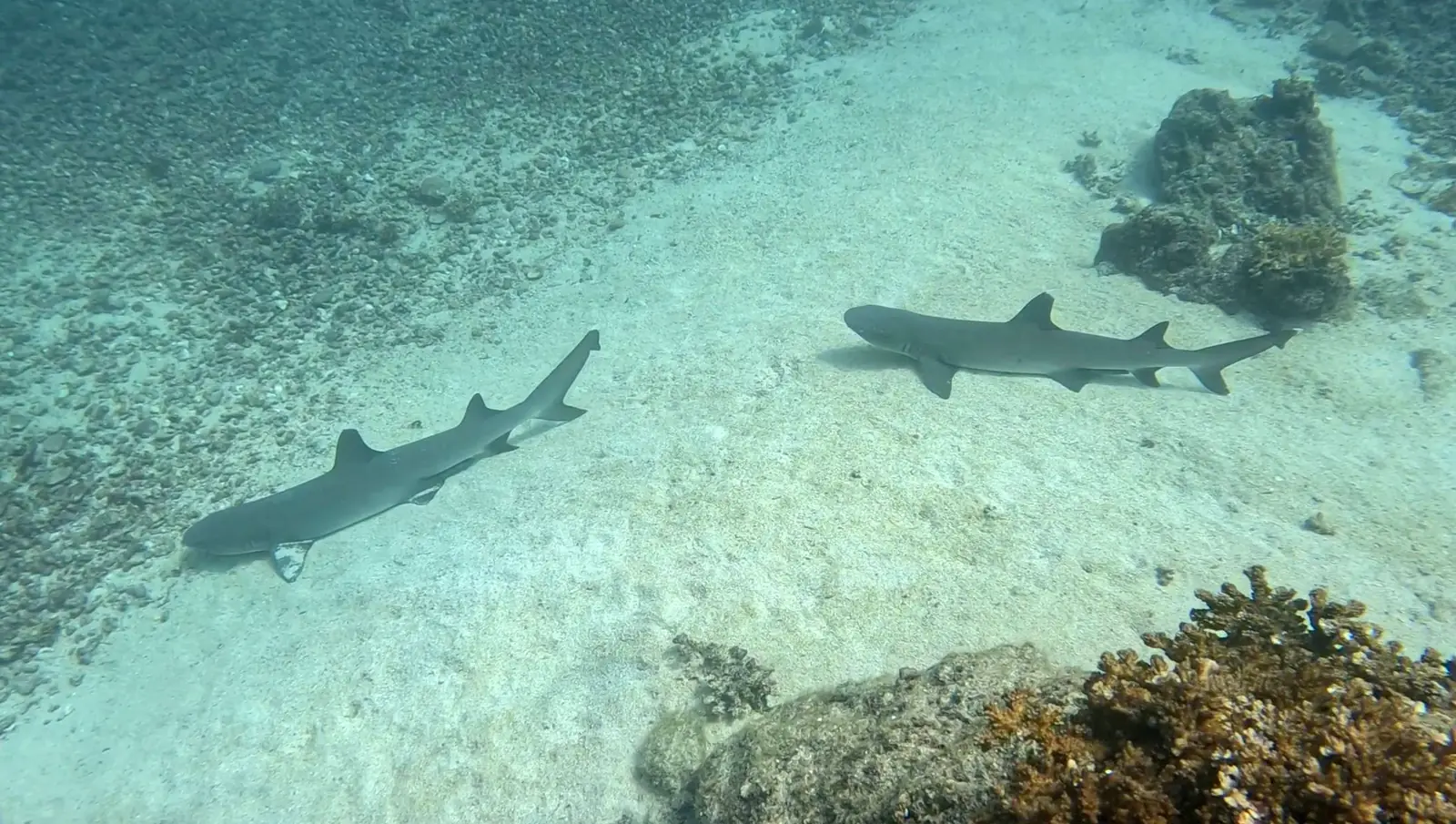 Whitetip reef sharks
According to UNESCO, the park is home to 760 species of marine fish, 33 species of sharks and 20 species of whales and dolphins. On a typical snorkel day you may see:
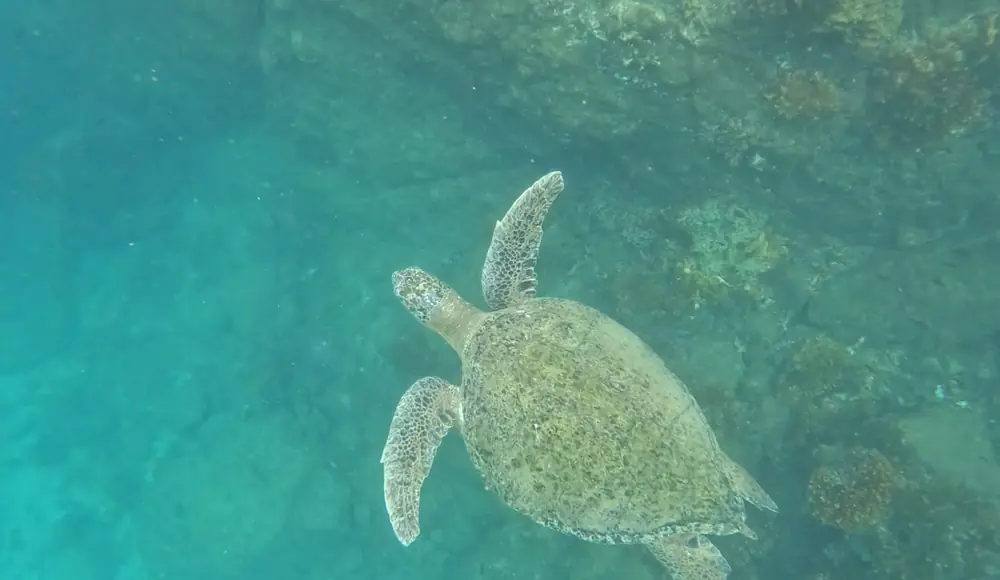
- In the water: sea turtles, whitetip reef sharks, rays, moray eels, pufferfish, Moorish idols, octopuses and big schools of reef fish.
- From the boat: dolphins and, from July to October, humpback whales. Whale sharks visit some days.
- On land: scarlet macaws, white-faced capuchin monkeys and iguanas. Look out for the Coiba spinetail, a small bird that lives only on Coiba and Isla Ranchería.
The penal colony
From 1919 to 2004 Coiba was a penal colony, and during the military governments it also held political prisoners. Because so few people lived on the island for so long, its forests and reefs stayed largely untouched. You can walk through the ruins on our Coiba Prison tour.
Park rules and responsible snorkeling
- Don't touch or stand on coral.
- Don't touch, chase or feed animals.
- Use reef-safe sunscreen, or cover up with a rash guard.
- Leave shells, rocks and coral where they are.
- Take all your trash back with you.
- Follow the instructions of the park rangers and your guide.
Every visitor pays the national park entrance: $20 for foreign visitors and $10 for Panamanians, per person.
What to pack
- Swimsuit and towel
- Reef-safe sunscreen
- Hat, sunglasses and a long-sleeve shirt for the sun
- Reusable water bottle
- Flip-flops
- Waterproof bag for your phone
- Cash for the park entrance
- A photo of your passport or ID. Please leave the original at your hotel.