An island apart
Coiba is the largest island in Central America: about 503 km² (194 sq mi) of rainforest and coastline in the Gulf of Chiriquí, roughly 24 km (15 mi) off the Pacific coast of Veraguas. It became an island when the sea rose at the end of the last ice age, about 12,000 years ago. That long isolation is why it has animals found nowhere else, such as the Coiba howler monkey, the Coiba agouti and a small bird, the Coiba spinetail.
Before the prison
Indigenous people lived on Coiba before the Spanish conquest. By the middle of the 1500s its last known inhabitants were gone, and for the next centuries very few people lived on the island.
The penal colony, 1919 to 2004
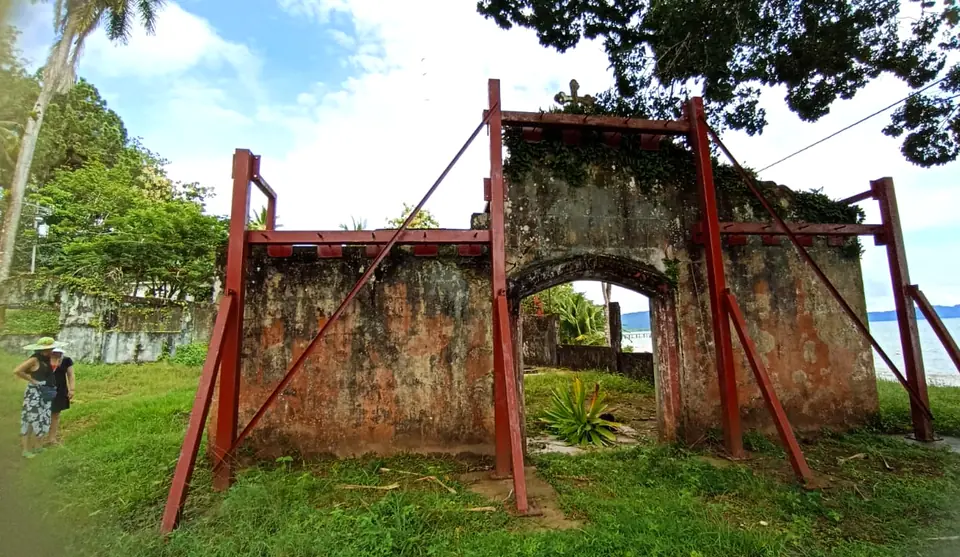
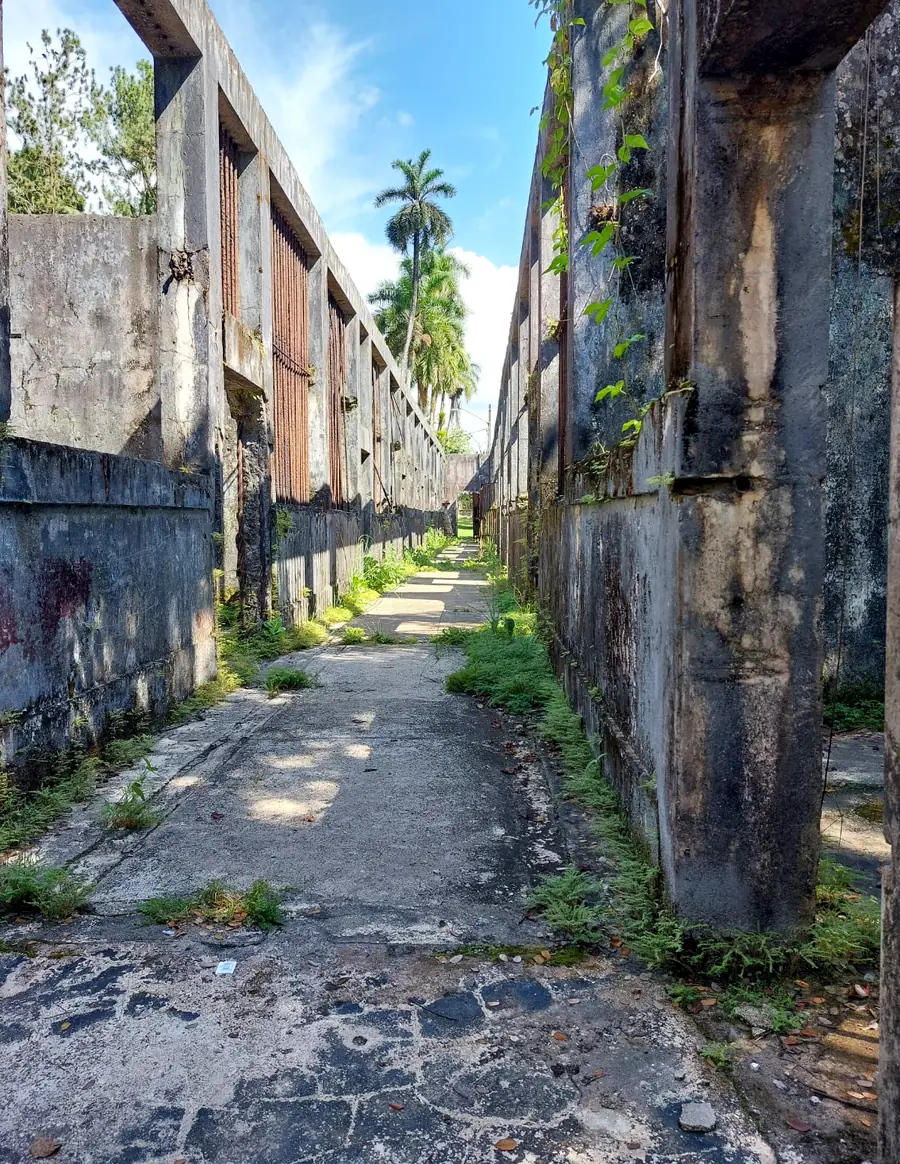
In 1919, under President Belisario Porras, Panama opened a penal colony on Coiba. The idea was to send prisoners convicted of serious crimes far from the mainland and put them to work. Inmates cleared land, farmed and raised cattle in camps spread across the island. At its peak the colony held up to about 3,000 prisoners in some 30 camps.
Far from the coast and surrounded by open sea, the island itself was the prison.
The hardest years
During the military governments, from 1968 to 1989, Coiba also held political prisoners. Survivors have described forced labor, harsh punishments and abuse, and some of the people sent to the island never came back. Their families still remember them, and their stories are part of why many Panamanians speak of Coiba with respect.
From prison to national park
Because so few people could go there, Coiba's forests and reefs stayed in exceptional condition. In 1991 Panama declared it a national park while the prison was still running. The penal colony closed in 2004, the same year Law 44 gave the park its current protection, including a special zone of marine protection around the islands. In July 2005, UNESCO added Coiba National Park and its Special Zone of Marine Protection to the World Heritage List.
How the prison protected nature
For most of the 20th century there were no towns, roads or hotels on Coiba. The result is one of the wildest places on Panama's Pacific coast: about 80% of the island's rainforest is still untouched, and according to UNESCO the park is home to 760 species of marine fish, 33 species of sharks and 20 species of whales and dolphins. Its isolation has earned it comparisons with the Galápagos.
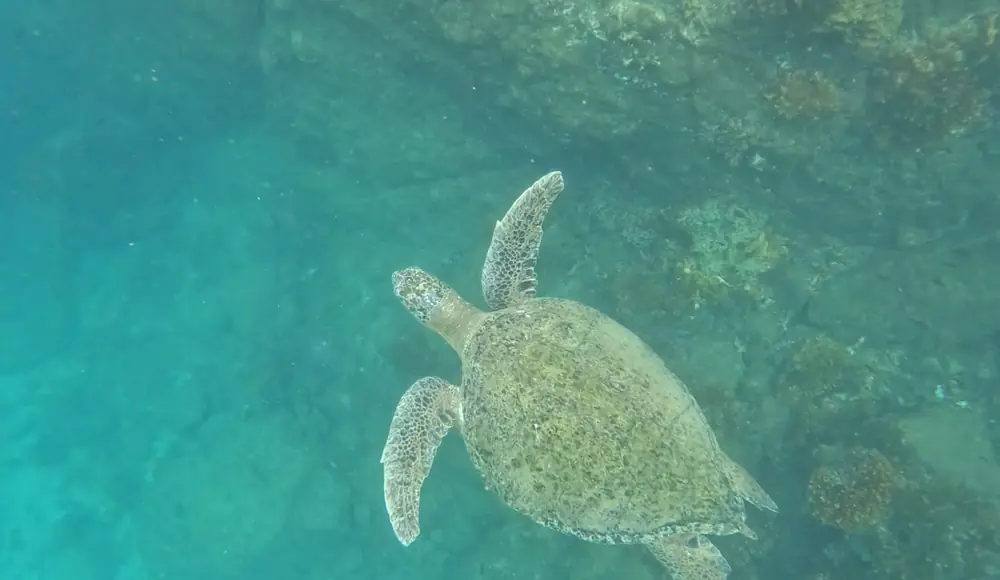
That is what you see when you snorkel there today: sea turtles, whitetip reef sharks and big schools of fish. Read what to expect in our guide to snorkeling in Coiba.
Coiba in 2026
In June 2026, Panama's Ministry of Public Security moved 29 inmates classified as high-risk to a detention center at the National Aeronaval Service (SENAN) station on Coiba. The Ministry of Environment said that all activity related to the detainees stays inside the building used by the aeronaval service. The decision was widely debated in Panama because of the park's protected status.
For visitors, the park's beaches, reefs and visitor center are open as usual. The ruins of the old penal colony are closed to visitors for now, so please write to us before booking our Coiba Prison tour and we'll tell you the latest.
Seeing Coiba's history today
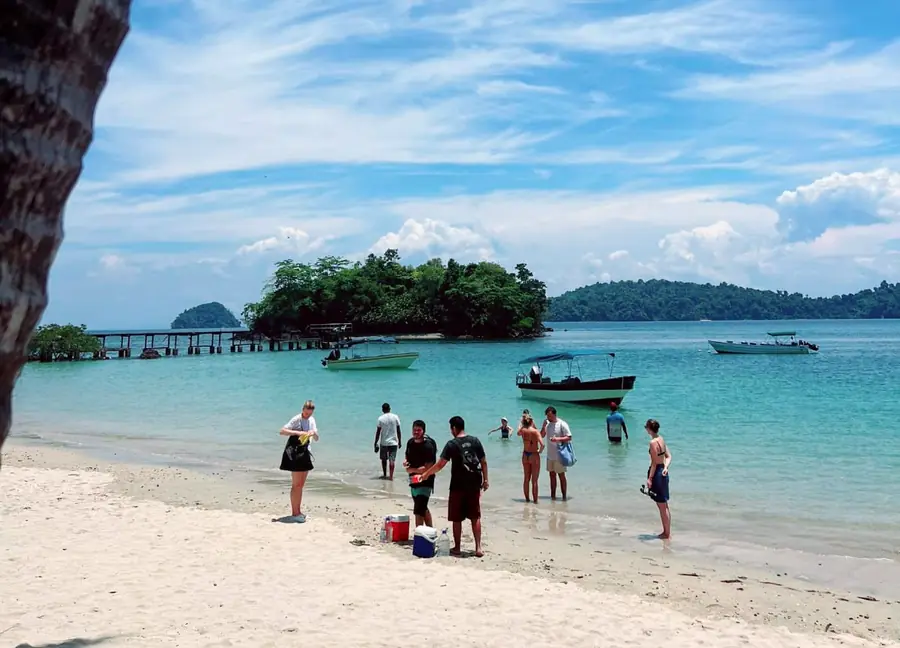
On the Coiba Island Tour you have lunch on Coiba, at the national park's visitor center, and your guide tells you the story of the island. It is a place with a hard history, and we visit it with respect.
Sources: UNESCO World Heritage Centre, TVN Noticias (June 2026), Infobae (June 2026).
Ready to see Coiba?
Tell us your date and how many people are coming. We confirm availability and the price on WhatsApp.